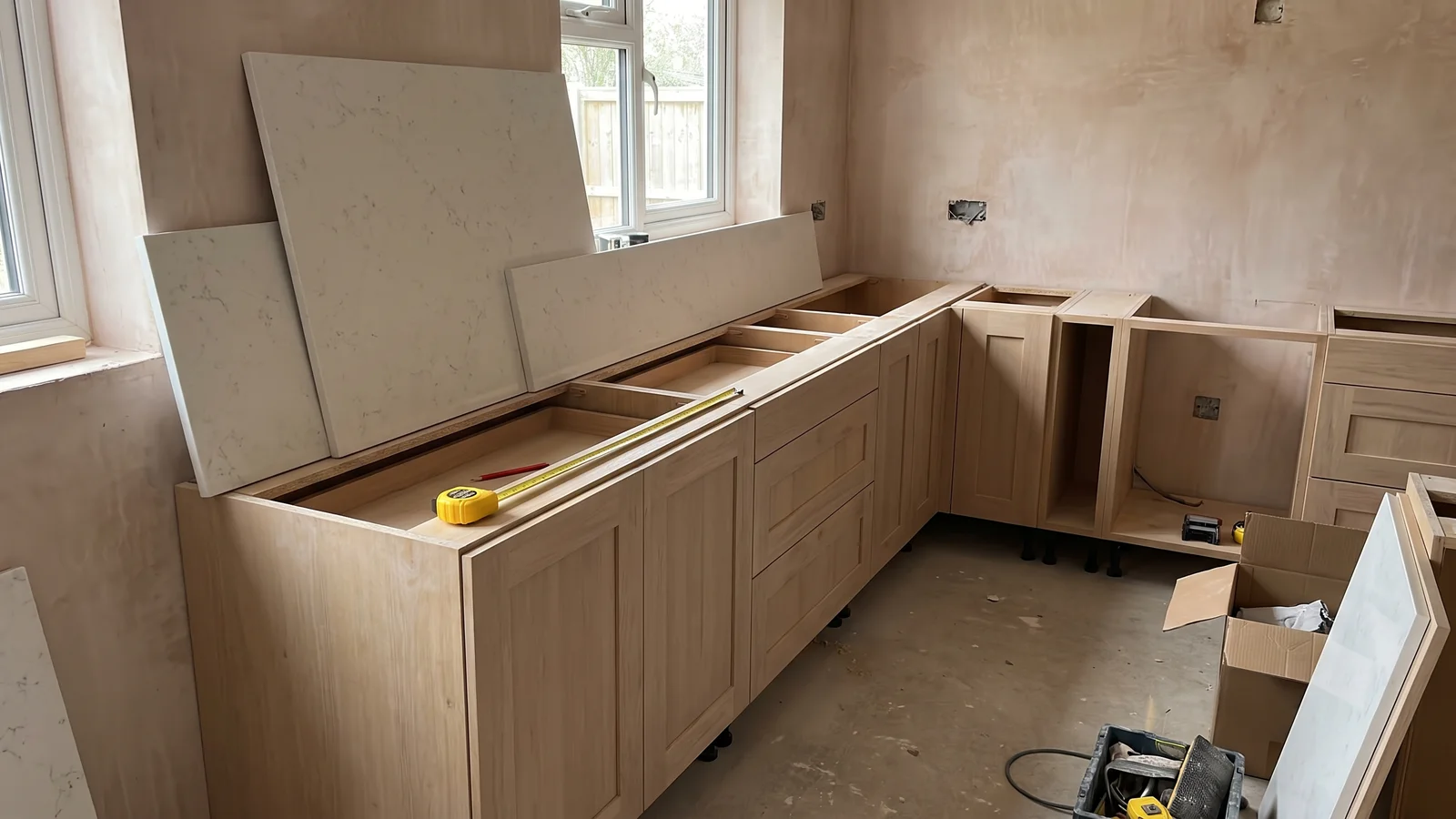
A kitchen lead is a homeowner enquiry for a new kitchen, a kitchen renovation, replacement doors or a design consultation. In the UK, exclusive real time kitchen leads start from around £18 per lead. This guide covers where kitchen leads come from, what a genuine one should contain, why prices vary, and how to judge quality once leads start arriving.
What a kitchen lead actually is
A kitchen lead is a homeowner who has actively requested a kitchen quote, design visit or brochure. It should tell you what kind of project they want - a full supply-and-fit installation, a renovation, replacement doors and units, new worktops, or a design consultation - and give enough detail to prioritise the call. It is not a name pulled from a general home improvement list, and it is not someone cold-called and asked if they've thought about a new kitchen.
Where kitchen leads come from
- Own comparison websites, Google Ads, paid social and directories or shared marketplaces are the four places a kitchen lead can come from.
- What the homeowner was asked before the enquiry was submitted is what decides its quality.
- That enquiry is the lead you buy.
- Own comparison websites, where a homeowner compares kitchen quotes and submits their details.
- Google Ads, where a search like "new kitchen quotes near me" leads to a form.
- Paid social on Facebook, Instagram and TikTok.
- Directories such as Checkatrade-style listings, and shared lead marketplaces, where several fitters or showrooms can access the same enquiry.
A provider that owns its comparison websites and landing pages controls the qualifying questions asked before the lead reaches you, which tends to produce a better-qualified enquiry than a directory listing alone.
Exclusive versus shared kitchen leads
An exclusive kitchen lead is sold to one fitter, installer or showroom only. A shared lead goes to several companies at once, usually cheaper, but the homeowner fields several calls and the first designer to book a home visit or showroom appointment usually wins the job. Kitchens are a considered, higher-value purchase, so the cost of losing a job to a faster competitor tends to outweigh the saving on a shared lead's price.
Real time versus aged leads
Real time kitchen leads reach you within minutes of submission. Aged leads are days or weeks old and sold cheaply in bulk. Because homeowners planning a kitchen are usually speaking to two or three companies at once, a lead called within minutes has a far better chance of converting than one called the next day, by which point another company may already have booked the design visit.
What a genuine kitchen lead should contain
At minimum, expect:
- Full name and a checked UK phone number
- Property postcode
- Project type (full installation, renovation, replacement doors, worktops, or design consultation)
- Budget band, where captured
- Timeframe for the project
- Source and timestamp of the enquiry, with confirmation of consent
What kitchen leads cost and why prices vary
UK kitchen leads start from around £18 per lead. Price is driven by exclusivity, volume, the project type (a full supply-and-fit enquiry is generally worth more to qualify than a replacement-doors enquiry), and the areas you want covered. A branded campaign run under your own name, using your own creative and landing page, is typically charged as a percentage of the ad spend managed rather than a flat lead price.
Seasonal demand for kitchen leads
Kitchen enquiries follow a fairly consistent yearly pattern. Demand typically peaks in autumn as homeowners plan projects ahead of Christmas, and again in January as the new year prompts a fresh round of planning, with a dip over high summer when many households are focused on holidays rather than home projects. A new provider's early weeks should be judged against this pattern rather than a flat average, since a quiet fortnight in July says little about how the campaign will perform once autumn demand picks up.
Kitchen lead sources compared
| Source | Exclusivity | Speed | Typical price signal | Watch for |
|---|---|---|---|---|
| Own comparison websites | Usually exclusive | Real time | Mid to higher | Confirm the provider owns the site and asks proper qualifying questions |
| Google Ads and paid social, run direct | Exclusive | Real time | Mid to higher | Ask what project types and budget bands the campaign targets |
| Trade directories | Often shared | Real time to same-day | Lower | Several fitters may already have the enquiry |
| Shared marketplaces and aged data | Shared, often resold | Delayed | Lowest | Lowest contact rate and conversion |
Why lead type matters as much as lead volume
Two kitchen leads at the same price can be worth very different amounts to your business. A full supply-and-fit enquiry from a homeowner with a clear budget in mind is a materially bigger opportunity than a replacement-doors enquiry from someone comparing the cheapest option available. Before you agree a weekly volume with a provider, decide which project types you actually want to grow and ask for the campaign to be weighted towards them, rather than accepting whatever mix of enquiries the campaign happens to produce.
How to judge kitchen lead quality in the first two weeks
- Contact rate: what share of kitchen leads you actually reached.
- Design appointment: Did a designer visit?
- Rejection rate: how many were replaced under the rejection policy.
Track contact rate, design appointment booking rate and rejection rate from your first batch. A provider confident in its own leads offers a rejection policy so a wrong number, duplicate or non-genuine enquiry is replaced rather than charged. Kitchen demand is seasonal, peaking in autumn and again in January, so judge a new provider's early numbers against that pattern rather than a flat weekly average.
Contact rate and follow-up practice
Call every kitchen lead within minutes of it landing, then follow up with a text and email with a link to your showroom or project gallery if the call is missed. Homeowners planning a kitchen are usually comparing two or three companies, and the first designer to get a home visit or showroom appointment booked in usually wins the job.
Pay per lead, pay per appointment or branded campaigns
Most kitchen lead providers offer pay per lead as the default model, priced per raw enquiry with no retainer and no contract. Some also offer pay per appointment, where the enquiry is qualified and a design visit booked directly into your diary for a higher fee than a raw lead, which suits showrooms that would rather their designers spend time on confirmed appointments than chasing enquiries. A third option is a fully branded campaign, run under your own company name with your own creative and landing page, typically charged as a percentage of the ad spend managed rather than a flat lead price - this suits fitters and showrooms who want to build their own brand presence alongside buying leads.
How to switch kitchen lead providers without a coverage gap
If you are testing a new provider, run it alongside your existing one for two to four weeks before switching fully, so you can compare contact rates and design appointment bookings on a like-for-like basis. Agree project types, budget bands and coverage areas in writing before you start, and keep a clear record of which lead came from which source so a quiet week can be traced to the right cause rather than assumed to be a problem with the new provider.
Red flags when choosing a kitchen lead provider
Be wary of a provider who cannot confirm exclusivity in writing, who will not say where the enquiry came from, who has no rejection policy for bad leads, or who cannot tell you what project types and budget bands their campaigns target. Confirm the provider runs compliant campaigns under ASA and ICO rules, and that every lead comes with a proper consent record.
Lead Pronto sells exclusive, real time kitchen leads to UK fitters, installers and showrooms from £18 per lead, with no retainer and no contract. See kitchen leads for pricing, lead types and coverage.